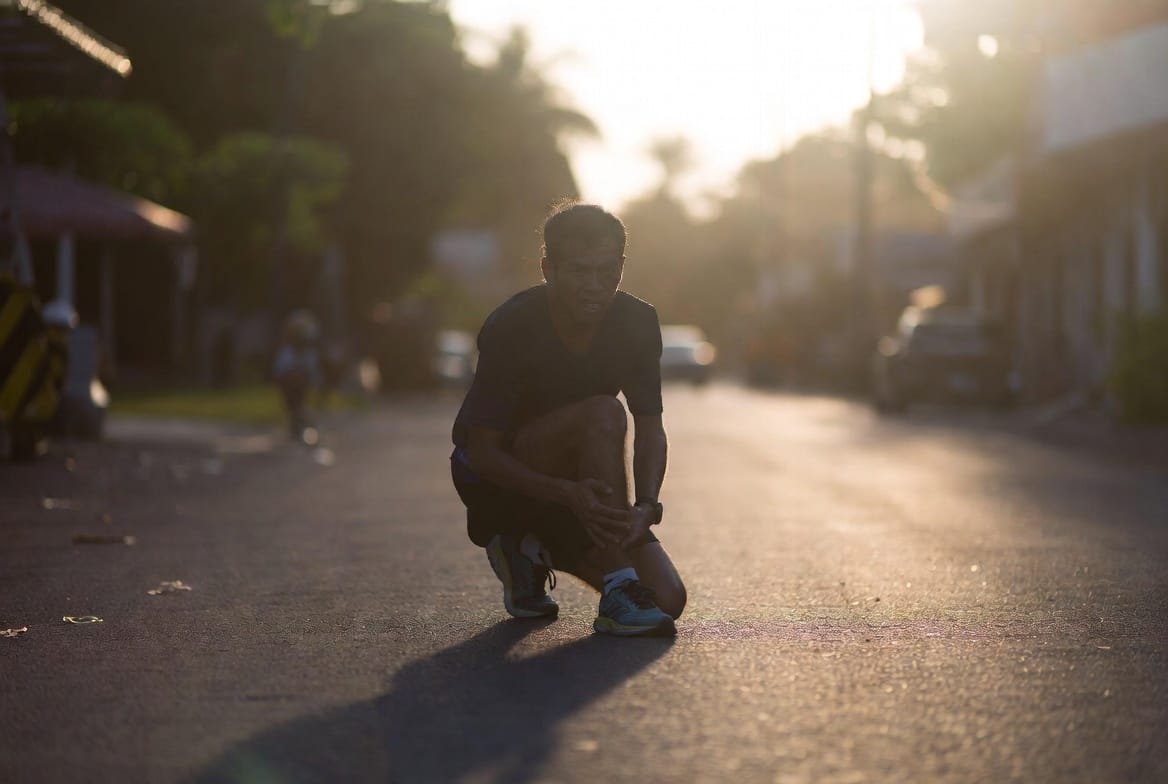
Running is one of the cheapest, most accessible ways to get fit in the Philippines — no gym membership, no equipment beyond a pair of shoes. But it comes with a catch: run too much too soon, and your body pushes back. Most runners meet at least one nagging injury in their first year.
The good news is that the vast majority of running injuries are preventable, and they follow predictable patterns. Here are the most common running injuries Filipino runners face, how to recognize them, and — most importantly — how to avoid them in the heat, humidity, and hard concrete roads of the Philippines.
A note before we start: this is general information, not medical advice. If you have a serious or persistent injury, see a doctor or physical therapist.
The Root Cause: Too Much, Too Soon
Almost every running injury on this list shares one cause — overuse. Not bad luck, not weak genes. Doing more than your body has adapted to handle.
You get excited. You run a good 5K, so you decide to run 10K three days later, then sign up for a 21K next month. Your heart and lungs adapt quickly, but your tendons, ligaments, and bones adapt slowly. When you outrun that adaptation, something breaks down.
The fix is the 10% rule: don't increase your weekly distance by more than about 10% from one week to the next. Boring, but it works.
1. Runner's Knee (Patellofemoral Pain)
What it feels like: a dull ache around or behind the kneecap, worse going down stairs, after sitting a long time, or during downhill running.
Runner's knee is the most common running injury in the world. It often comes from weak hips and glutes that let the knee track poorly, plus a sudden jump in training.
How to prevent it: strengthen your glutes and hips (squats, clamshells, glute bridges — our guide to strength training for runners has a full routine), avoid sudden mileage spikes, and don't only run steep Cebu downhills at speed.
2. Shin Splints (Medial Tibial Stress Syndrome)
What it feels like: aching or tenderness along the inner edge of your shin bone, usually in both legs, common in new runners.
Shin splints are practically a rite of passage for beginners. They show up when you increase distance too quickly, run in worn-out shoes, or pound a lot of hard concrete — which describes most roads in the Philippines.
How to prevent it: ramp up slowly, replace shoes every 500–800 km, strengthen your calves, and mix in softer surfaces (a track, packed dirt, or grass) when you can find them.
Important: shin pain that becomes sharp and pinpoint — painful to press on one small spot — can be an early stress fracture. That needs rest and a doctor, not more running.
3. IT Band Syndrome
What it feels like: sharp or burning pain on the outside of the knee, often appearing at a consistent point into a run and worsening on downhills.
The IT band is a thick band of tissue running along the outside of your thigh. When it gets overloaded — often from weak hips or a sudden increase in distance — it becomes painful where it crosses the knee.
How to prevent it: hip and glute strength again (noticing a theme?), gradual mileage increases, and not ignoring the early twinges.
4. Plantar Fasciitis
What it feels like: stabbing pain in the heel or arch, worst with your first steps in the morning or after sitting.
The plantar fascia is the band of tissue along the bottom of your foot. It gets irritated from overuse, tight calves, unsupportive footwear, and — a very Filipino risk factor — walking barefoot or in flat tsinelas on hard floors all day.
How to prevent it: stretch your calves and feet, don't spend all day in flat slippers, roll your foot on a frozen water bottle, and wear supportive shoes for running.
5. Achilles Tendinitis
What it feels like: pain, stiffness, or tenderness in the Achilles tendon just above the heel, often stiff in the morning.
This one loves runners who add too much speed work or hill running too quickly. Cebu's hilly routes — Busay, anyone? — can bring it on if you attack them before you're ready.
How to prevent it: ease into hills and speed, do calf-strengthening (heel drops), and don't run through sharp Achilles pain.
The Heat and Humidity Factor
Philippine weather adds a specific risk that cold-climate injury guides ignore: heat exhaustion and dehydration. These aren't muscle injuries, but they're among the most dangerous things that can happen to a Filipino runner.
Running in 32°C heat with high humidity means your body struggles to cool itself. Warning signs — dizziness, nausea, chills despite the heat, or suddenly stopping sweating — mean stop immediately, get to shade, and cool down. To reduce the risk:
- Run early — 5 to 6 AM, before the heat builds.
- Hydrate before, during, and after — and replace electrolytes on long runs.
- Slow down on hot days — your heart rate is already higher; don't fight it.
Air quality matters too — see our guide on whether it's safe to run in Cebu.
The Universal Prevention Checklist
Nearly every injury above is prevented by the same handful of habits:
- Follow the 10% rule — increase distance gradually
- Run most runs easy (see our Zone 2 running guide)
- Strength train your hips, glutes, and calves twice a week
- Replace worn-out shoes on time
- Warm up before running, especially before speed work; don't skip rest days
- Follow hard sessions with an easy recovery run instead of another hard one
If that list feels familiar, it's because injury prevention and good beginner habits are the same thing — several of these also appear in our list of beginner running mistakes Filipino runners make.
When to Rest and When to See a Doctor
Learn the difference between soreness and injury. Normal soreness is dull, symmetric (both legs), and fades as you warm up. An injury is usually sharp, one-sided, worsens as you run, or changes how you move.
See a doctor or physical therapist if pain is severe, if you can't walk normally, if a joint feels unstable, if there's significant swelling, or if pain hasn't improved after one to two weeks of rest. Sharp, pinpoint bone pain that worsens with activity should be checked promptly to rule out a stress fracture.
And here's the mindset shift: taking three days off now to let something calm down is far cheaper than pushing through and losing three months. Rest is training too.
The same maths applies mid-race. Stopping when something is genuinely wrong costs you one race; finishing on an injury can cost you a season. Our guide to what to do when your race doesn't go to plan covers when a DNF is the right call and when you're just uncomfortable.
Log the Comeback, Not Just the PRs
Injuries are part of every runner's story. When you come back from one, that first race back matters just as much as a personal best. Log it on RunMate — the comeback races are the ones you'll be proudest of later. And when you're healthy and ready, find your next start line on our Cebu and Philippines fun run calendar.
— Norman, founder of RunMate
Frequently Asked Questions About Running Injuries
What is the most common running injury?
Runner's knee (patellofemoral pain) is the most common running injury worldwide, followed closely by shin splints and IT band syndrome. Most running injuries are overuse injuries caused by doing too much, too soon — increasing distance or intensity faster than the body can adapt.
How do I know if it's a normal ache or a real injury?
Normal soreness is dull, appears on both sides, and fades as you warm up. A real injury is usually sharp, on one side only, gets worse as you run, or changes how you move. If pain alters your running form or lingers after rest, stop and treat it — don't run through it.
How can Filipino runners prevent running injuries?
Increase your weekly distance by no more than about 10% at a time, run most of your runs easy, replace worn-out shoes, warm up before speed work, and add basic strength training for your hips, glutes, and calves. Most running injuries come from doing too much too fast.
Does running on concrete in the Philippines cause injuries?
Hard surfaces like concrete and asphalt increase impact, but they don't directly cause injury on their own — training errors do. That said, mixing in softer surfaces when you can, running in cushioned shoes that fit, and avoiding sudden jumps in distance all reduce the extra load from hard PH roads.
When should I see a doctor for a running injury?
See a doctor or physical therapist if pain is severe, if you can't walk normally, if there's significant swelling, if a joint feels unstable, or if pain hasn't improved after one to two weeks of rest. Sharp bone pain that worsens with activity needs prompt attention to rule out a stress fracture.