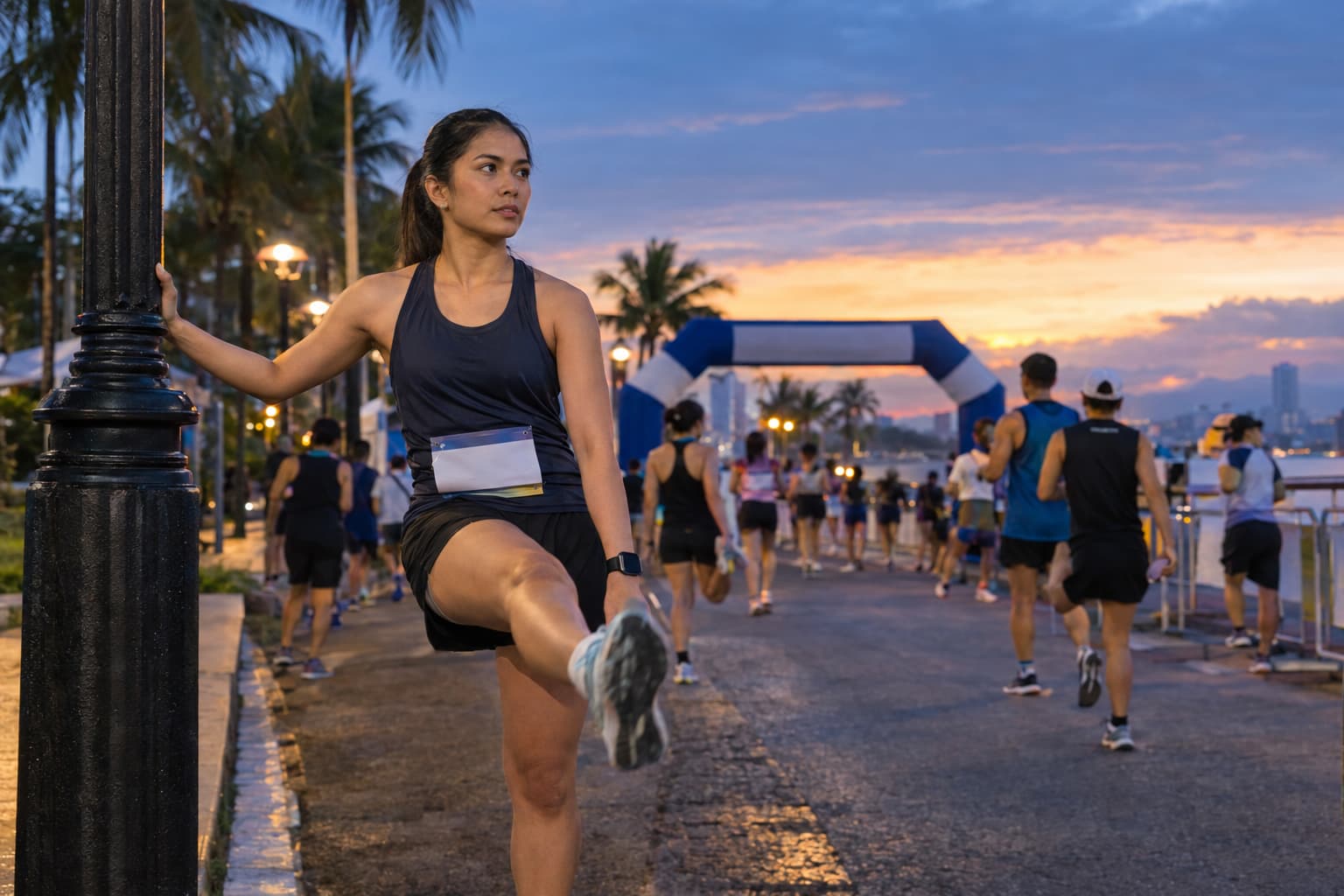
You crossed the finish line. You got your medal. You're sweaty, hungry, and standing in line for a free banana at the post-race tent. What you eat in the next hour decides how you feel tomorrow.
This is the companion guide to what to eat before a fun run. Same approach — real Filipino foods, practical timing, and what to skip.
Why Post-Race Nutrition Matters
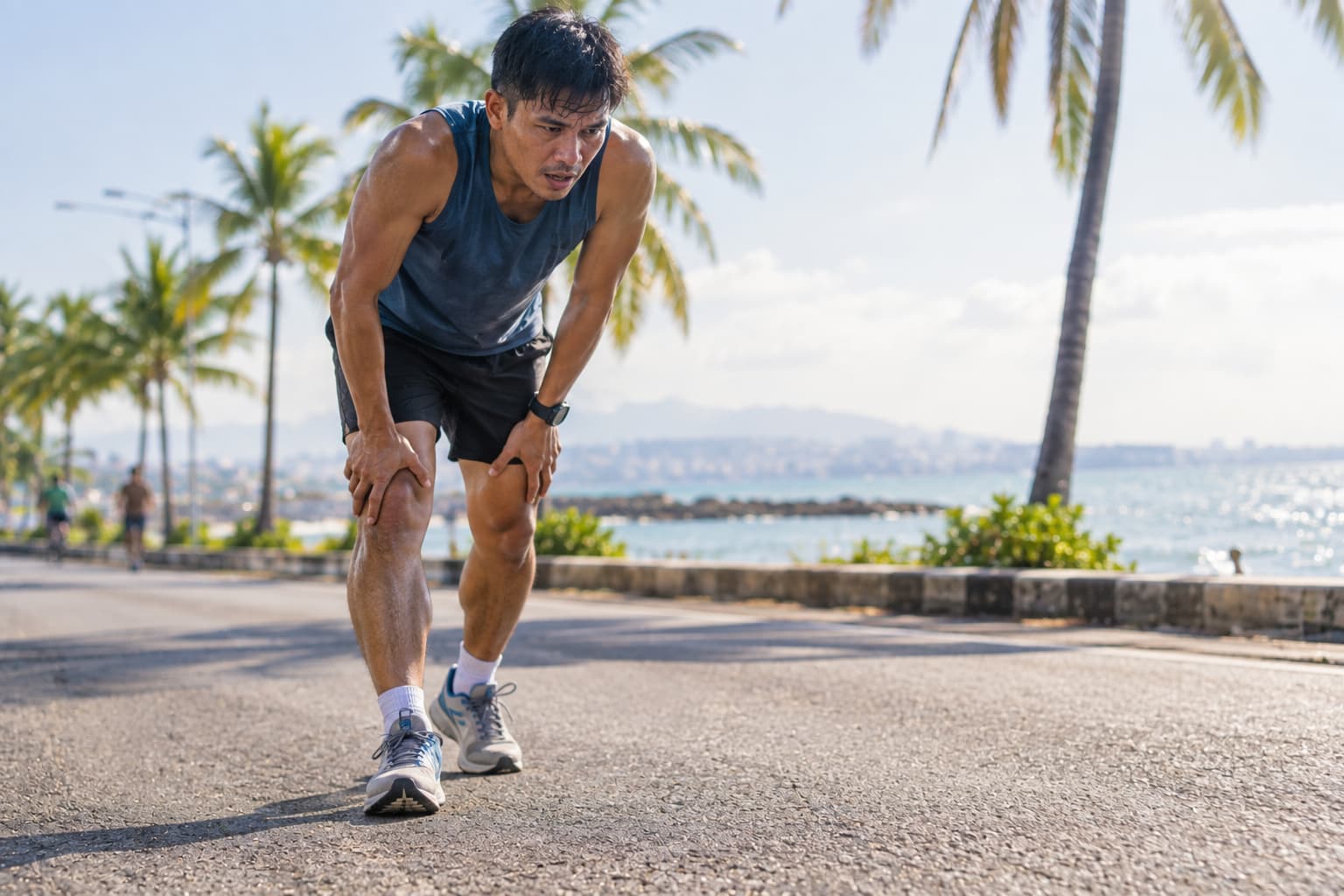
When you finish a race, your body is in three states at once: dehydrated, glycogen-depleted, and slightly damaged at the muscle level. The right food in the first hour after running starts repairing all three. The wrong food (or no food) leaves you sore, tired, and craving sleep for the rest of the day.
Two things matter most: replacing fluids and electrolytes you sweated out, and replacing the carbs you burned. Protein helps too, but it's less time-sensitive than the first two.
The 30-Minute Recovery Window
Sports science calls it the "anabolic window" — the 30 to 60 minutes after exercise when your muscles are most receptive to absorbing nutrients. Eat in this window and recovery starts faster. Wait two hours and you'll feel it the next day.
You don't need to chug a recovery shake the second you cross the finish line. But within 30 minutes, get something — even small — into your system.
What works for most Filipino runners:
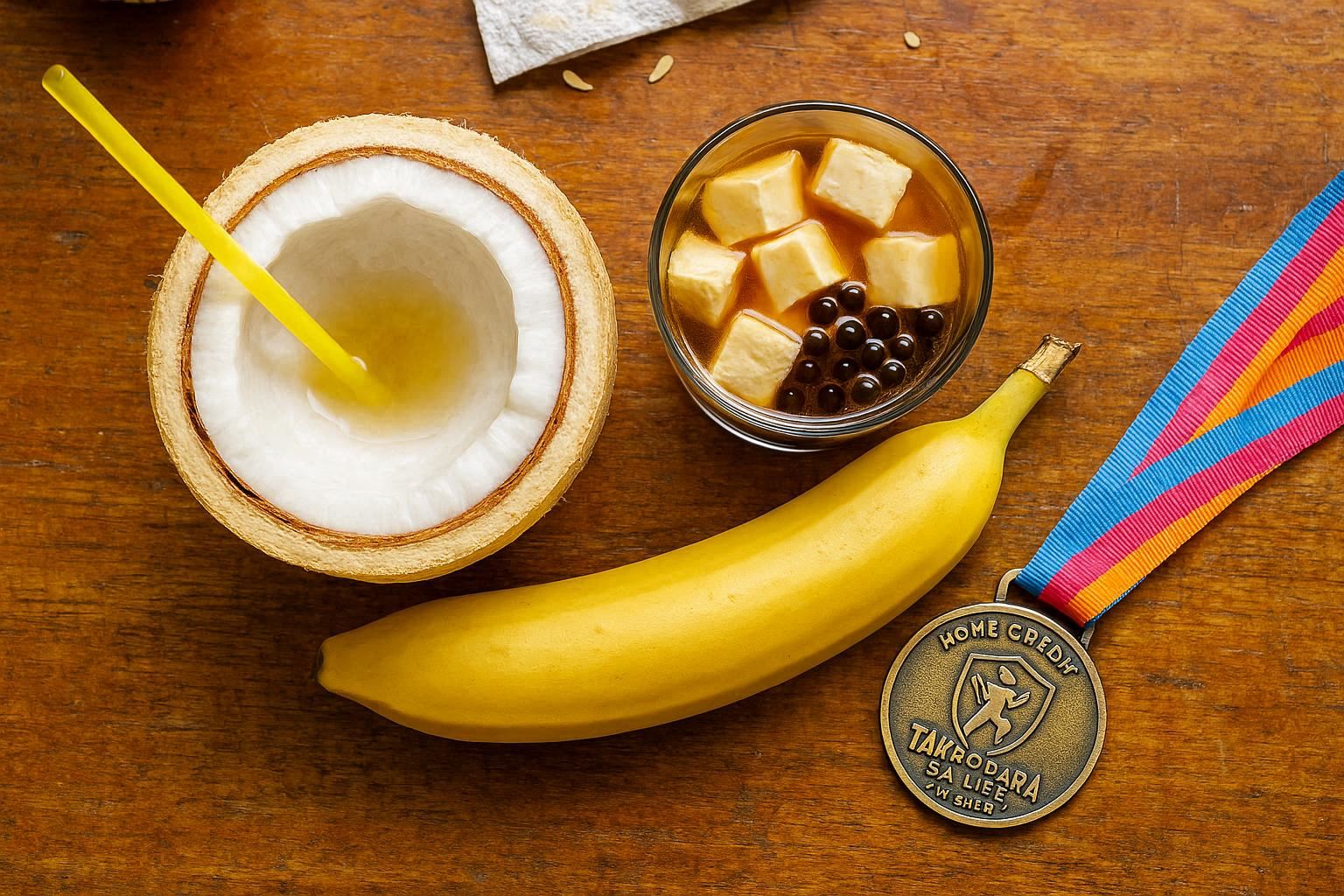
- Buko juice or coconut water — immediate hydration plus natural electrolytes
- A banana — the post-race table always has them for a reason
- Light real food within 30–60 minutes — taho, sopas, or a small kanin meal
Best Filipino Post-Run Snacks
You don't need imported protein bars or branded recovery powders. These local options work just as well — sometimes better — and they're already what your body wants after sweating out 5 to 42 kilometers.
Buko Juice and Coconut Water — Nature's Gatorade
Young coconut water is the closest thing the Philippines has to a perfect recovery drink. It's rich in potassium, magnesium, sodium, and natural sugars — the same electrolytes you sweat out, in roughly the right proportions.
One fresh buko after a long run rehydrates you faster than plain water, costs less than a sports drink, and doesn't come with artificial colors or sweeteners. You can find them at any roadside stand for ₱30–₱60.
If fresh buko isn't available, packaged coconut water (Cocomama, Hydro Coco) works as a backup.
Taho — The Original Filipino Recovery Snack
Taho is one of the most underrated post-run foods in the country. Silken tofu (protein), arnibal syrup (fast carbs), sago pearls (more carbs) — it's protein plus carbs plus hydration in one cup, served by mamang taho who walks past your house every morning.
The standard small cup gives you about 150–200 calories with a balanced macro profile. Eat it within 30 minutes of finishing a 10K or longer race and your legs will thank you tomorrow.
Best part: it's already part of most Filipino mornings. You don't need to add anything to your routine.
Banana — The Universal Recovery Food
Yes, banana again. The reason it shows up on both the pre-race and post-race lists is simple — bananas are the most efficient snack for runners in the Philippines.
Post-race, a banana delivers fast carbs to replace burnt glycogen, plus potassium to help muscles recover from the long sweat session. Saba, lakatan, latundan — any ripe variety works.
Most race organizers hand them out at the finish line. Take one even if you don't feel hungry yet.
Sopas or Lugaw — Warm Carbs and Hydration
For longer races (16K and up) finished early in the morning, warm food beats cold every time. Sopas (chicken macaroni soup) and lugaw both deliver carbs, sodium from the broth, and easy-to-digest comfort that your tired stomach actually wants.
Sopas with chicken adds protein too. Lugaw is gentler if you're feeling slightly nauseous after a hard effort.
Many PH race venues have a sopas vendor camped near the finish line. There's a reason.
Mango, Pineapple, and Fresh Fruit
Tropical fruits aren't just hydrating — they bring antioxidants that help reduce post-run inflammation. Mango, pineapple, papaya, and watermelon all work.
A mango shake after a half marathon is one of the better recovery snacks you can give yourself. Mango has carbs and potassium, the milk or yogurt base adds protein, and it goes down easy when solid food still feels too heavy.
Sabaw — Don't Sleep on the Broth
Chicken or beef broth is liquid electrolytes in the most natural form. Sodium, magnesium, and a bit of protein — exactly what a dehydrated body craves.
If you've ever finished a long race and the first thing that sounded good was tinola or beef bulalo, your body was telling you something. Listen to it.
What to Drink for Hydration and Electrolytes
Your first priority after finishing is fluid replacement. Most Filipino runners lose 1–2 liters of sweat in a half marathon. Replace it steadily over the next 2–3 hours, not all at once.
- First 15 minutes — buko juice or sports drink for fast electrolyte replacement
- Next hour — sip plain water steadily, around 500ml
- Avoid until later — beer, soda, energy drinks with high caffeine. Hydration first, celebration after.
Quick check that you're rehydrated: your urine should return to pale yellow within a few hours. If it's still dark or you haven't peed in 4+ hours, drink more.
Post-Race Snacks by Distance
5K — Light Snack Is Enough
You probably didn't deplete your glycogen on a 5K. A banana, a glass of buko juice, or just water and a small piece of fruit is plenty. Your normal next meal will handle the rest.
10K — Real Recovery Starts Here
Have a cup of taho or a buko plus banana within 30 minutes. Plan a real meal within 90 minutes — kanin, protein, and vegetables. Nothing fancy.
16K and 21K — Take Recovery Seriously
You burned 1,200–1,800 calories. Refuel within 30 minutes with buko plus banana plus taho or sopas, then have a substantial meal 60–90 minutes later. Skipping recovery here is how you feel terrible for two days afterward.
42K — Recovery Window Is Critical
A full marathon burns 2,500–3,000 calories. You need real food, real hydration, and real rest. Get electrolytes in immediately (buko plus sports drink), eat something within 30 minutes (sopas plus banana works), and have a complete meal within 2 hours. Take recovery as seriously as the race itself.
Foods to Avoid Right After Running
- Heavy fried food immediately after — lechon, fried chicken, oily silog. Your stomach is in no state to process grease.
- Alcohol before water and food — beer after the race is fine, but only after rehydration and a real meal.
- Pure sugar bombs — a whole bottle of soda or a giant slice of cake on an empty stomach spikes blood sugar then crashes it.
- Anything you haven't tried before — same rule as pre-race. Familiar foods only.
One special note about halo-halo and ice cream: tempting after a hot race, but the high sugar plus cold combination can upset a dehydrated stomach. Save the halo-halo for later in the day after you've had real food and water.
The Full Post-Race Meal Timing
- 0–15 minutes — water, buko juice, banana (just get something in)
- 15–30 minutes — taho, sopas, or another fruit; sip water steadily
- 60–90 minutes — real meal: kanin plus protein plus vegetables; finish hydrating
- Rest of the day — eat normally, sleep well, hydrate steadily
One Last Thing — Log Your Race
While you're recovering, take a photo of your medal and bib. Log the race on RunMate in five minutes — finish time, distance, your photos — and it's part of your medal wall forever.
If you're looking for your next race, browse upcoming fun runs across the Philippines. To train for it, try Run Buddy — our free GPS voice companion for solo runs.
And for the prep side, here's what to eat BEFORE your next race. Pair the two and you've got the full fueling guide.
— Norman, founder of RunMate
Frequently Asked Questions About Post-Race Food in the Philippines
What should I eat after a fun run in the Philippines?
Within 30 minutes of finishing, get a banana plus buko juice or a small glass of taho. Within 60–90 minutes, have a real meal with kanin, protein, and vegetables. This refuels glycogen, replaces electrolytes, and supports muscle recovery.
Is buko juice good for runners?
Yes — fresh young coconut water is one of the best natural recovery drinks in the Philippines. It's rich in potassium, magnesium, sodium, and natural sugars, replacing exactly what you sweat out during a race. It hydrates faster than plain water for a fraction of the cost of sports drinks.
Is taho a good post-run snack?
Yes — taho is one of the most underrated post-run snacks in the Philippines. The silken tofu provides protein, the arnibal syrup gives fast-acting carbs, and the sago pearls add more carbs. It's a balanced 150–200 calorie recovery snack that's already part of most Filipino mornings.
How long after a race should I eat a real meal?
Within 60 to 90 minutes after finishing. Get something light into your system within 30 minutes (banana, buko, taho), then have a complete meal — kanin, protein, vegetables — within an hour or two. Waiting longer slows down muscle recovery and makes the next day feel harder.
Can I eat halo-halo after a long run?
Yes, but not immediately. Halo-halo's high sugar plus very cold combination can upset a dehydrated stomach right after running. Save it for later in the day after you've had water, electrolytes, and a real meal. By mid-afternoon it's a great treat.