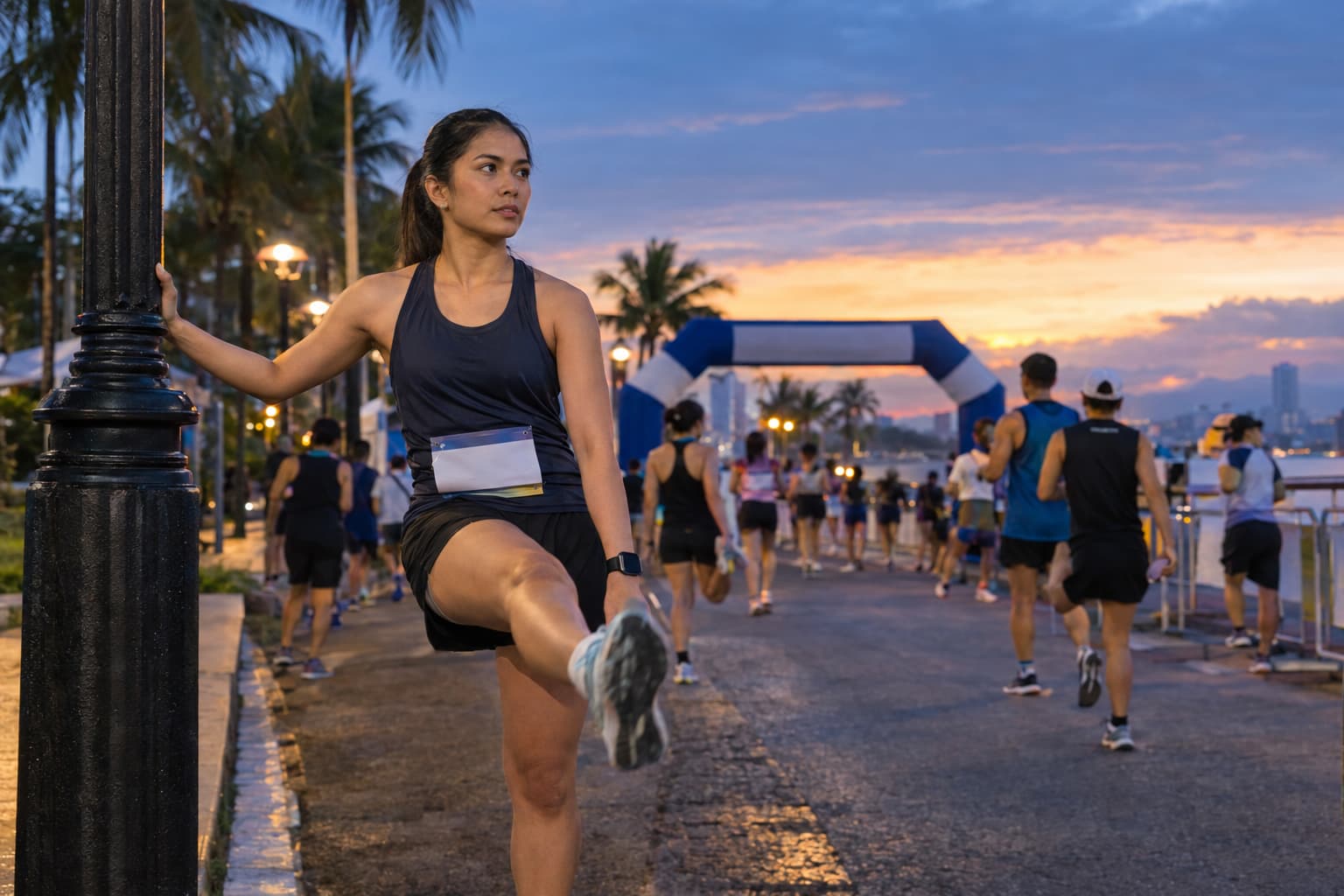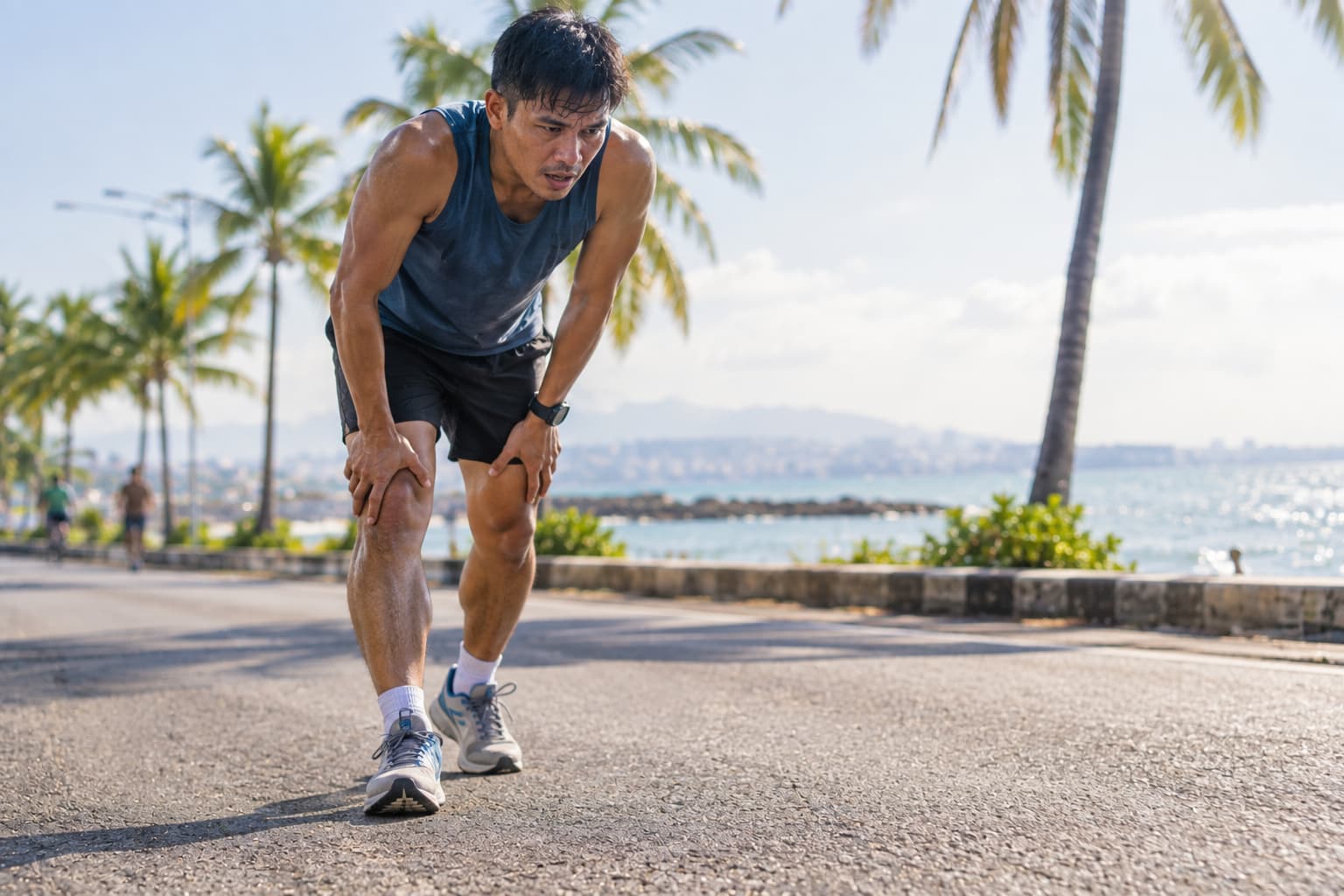
Most Filipino runners ate the wrong thing before their first fun run. Too much, too little, too spicy, or too late. The result is the same — stomach drama, an energy crash at kilometer six, or a sprint to the bushes halfway through.
This guide breaks down what to eat before a fun run in the Philippines using real Filipino food, when to eat it based on your gun start time, and the mistakes that ruin race mornings.
Why Pre-Race Food Matters for Filipino Runners
Your body runs on glycogen — sugar stored in your muscles and liver from the carbs you ate over the past 24 hours. When you start running, glycogen burns first. Run out of it and you hit the wall — that suddenly heavy, slow feeling marathoners talk about.
For most 5K and 10K runners this isn't catastrophic — you have enough stored from last night's dinner. It becomes critical as distance grows. By the time you're tackling a 21K or 42K, what you ate the night before AND the morning of starts deciding how the last 5 kilometers feel.
The other reason food matters: digestion. The wrong meal too close to gun start leads to cramps, side stitches, and in worst cases the legendary "marathon shits" runners joke about. It's funny until it happens to you 8K into a half marathon.
The right pre-race meal does two things: tops off your glycogen, and stays out of your way during the race.
How Long Before the Race Should You Eat?
The standard rule:
- 3–4 hours before — full meal, around 400–600 calories
- 1–2 hours before — light snack, 150–300 calories
- 30 minutes before — liquid or quick-digesting carbs only
The problem for Filipino runners: most fun runs have gun starts between 4:00 and 5:30 AM. A 4:30 AM start means waking up at 3:00 AM to eat properly. Most people would rather sleep that extra hour.
The practical workaround used by experienced runners — carb-load the night before with a real dinner, then have something small like a banana or pan de sal 30–60 minutes before gun start. The previous night's dinner does most of the fueling work.
Best Filipino Foods for Pre-Race Fuel
Forget oatmeal and bagels. Here's what actually works for runners in the Philippines.
Kanin (Steamed Rice) — The Filipino Runner's MVP
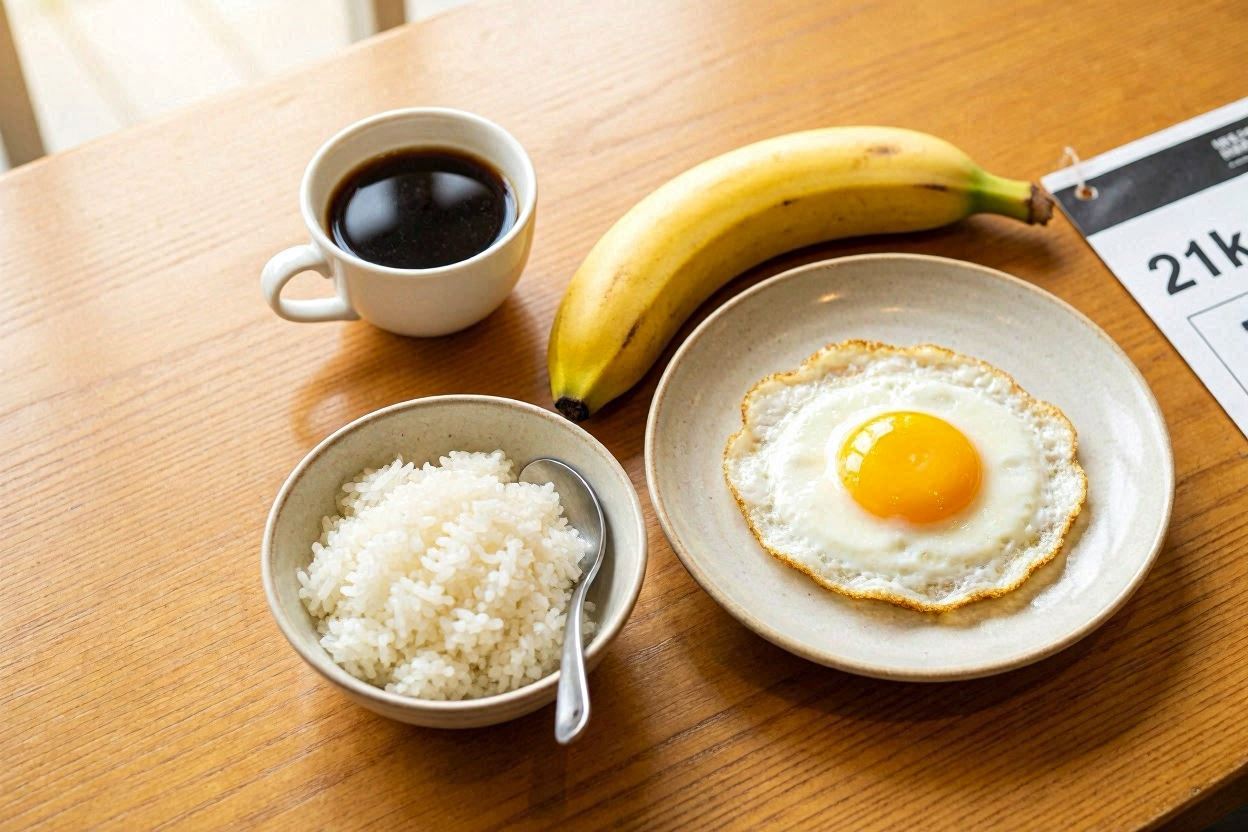
A small bowl of steamed white rice 2–3 hours before the race is the most reliable Filipino pre-race meal. Easy to digest, high in carbs, low in fat. Pair it with a scrambled or hard-boiled egg for a bit of protein, plus a banana on the side.
Skip fried rice (too oily), kimchi rice (too spicy), and rice meals with heavy sauces. Plain is best.
Saba or Lakatan (Banana) — The 30-Minute Snack
Bananas are one of the best universal pre-race snacks, and you grew up with them in your backyard. Eat one ripe saba or lakatan 30–60 minutes before gun start. You get quick-release carbs for immediate energy plus potassium that helps prevent muscle cramps.
Avoid green or unripe bananas — they're harder on the stomach. Ripe and slightly sweet is what you want.
Pan de Sal — The Lighter Option
If kanin feels too heavy for race morning, pan de sal is the safer carb. Eat one or two with a thin layer of peanut butter 1–2 hours before the race. Skip cheese pan de sal (processed cheese plus dairy is asking for stomach trouble at kilometer 10).
Lugaw or Champorado — For Early Morning Gun Starts
Liquid carbs go down easy when you're awake at 3 AM and your stomach isn't ready for solid food. A small bowl of lugaw or champorado gives you sustained energy in an easily-digested form.
Champorado adds caffeine through the chocolate — a small bonus for race performance — but test it in training first. Chocolate doesn't sit well with every runner.
Coffee — Yes, Have That Kape
Studies consistently show caffeine improves running performance by 3–5%. One cup of black coffee 30–60 minutes before gun start is the sweet spot.
One critical rule: if you don't normally drink coffee, race day is NOT the day to start. Caffeine combined with race-day adrenaline on a stomach not used to it leads to one outcome — and it isn't a PR.
Foods to Avoid Before a Race
These are the foods most likely to ruin your race morning. Skip them in the 12 hours before gun start:
- Spicy food — sili, hot sauce, sinigang sa miso with too much chili. Capsaicin plus cardio is a bathroom emergency waiting to happen.
- Greasy or fried food — longanisa, tocino, oily silog meals. Slow digestion plus race intensity equals side stitches.
- High-fiber vegetables — kangkong, broccoli, monggo, beans. Fiber is great normally, but it causes gas and bloating during exercise.
- Dairy if sensitive — milk, cheese, ice cream. Lactose plus adrenaline equals stomach drama at the worst possible time.
- Anything new — race day is not the day to try a new energy gel, sports drink, or meal you've never had before.
The general rule: race-day food should look exactly like what you've eaten before your long training runs. Familiar is fast. Surprises are slow.
What to Eat for Different Race Distances
The optimal pre-race meal scales with how long you'll be running.
5K — Keep It Simple
You don't need much. A small banana 30–60 minutes before gun start is plenty. Some experienced 5K runners do well on just coffee and water — the race is short enough that you're tapping into stored glycogen the whole way.
10K — Where Pre-Race Fueling Starts to Matter
A small bowl of kanin with egg 2–3 hours before, then a banana 30 minutes before gun start. You'll feel the difference in the last 2 kilometers compared to skipping the morning meal.
16K and 21K — Half Marathon Strategy
Carb-load the night before with a real dinner — pasta, rice with viand, whatever you normally eat. Race morning: 1.5 hours before, eat a banana plus pan de sal plus coffee. For the 21K, bring a sports gel or energy bar to consume around the 10K mark.
42K — Full Marathon Fueling
The pre-race meal is just the start. Marathon fueling happens during the race itself — sports gels every 30–45 minutes, plus electrolytes from hydration stations. The real preparation happens in your training: practice race-day fueling on every long run so it's automatic on race morning.
The Race-Day Eating Checklist
Use this checklist the night before your next fun run.
Night before (around 7–8 PM):
- Normal dinner — rice, protein, vegetables
- Lay out race kit, shoes, bib, safety pins
- Set three alarms
- Sleep early
Race morning (3:00 AM for a 4:30 gun start):
- Small banana or pan de sal, eaten 30–45 minutes before leaving
- Coffee if you normally drink it
- Water — 250–500ml steadily, not chugged
At the venue:
- Final bathroom visit 20 minutes before gun start
- Final sip of water 15 minutes before
- Light warm-up jog and dynamic stretches
For your full race-day checklist beyond food — gear, hydration, transportation, post-race — see our fun run checklist for Filipino runners.
Real Filipino Runners Have Figured This Out
None of this is groundbreaking. Filipino runners have been refining pre-race nutrition for decades. The Fleet Runners of Cebu I featured in an earlier post all swear by some version of kanin plus egg plus banana plus coffee on race mornings. There's no magic — just what works for your body, tested in training.
The pre-race meal is one of the smallest, most controllable parts of race day. Get it right and you've removed one variable. Get it wrong and the race feels twice as hard.
If you're prepping for an upcoming race, browse upcoming fun runs in Cebu and the Philippines on RunMate. And to track your pace during the run itself, try Run Buddy — our free GPS voice companion that works in your phone browser, no download needed.
Once you cross the finish line, log your race on RunMate — bib, medal, finish time — and start building your medal wall.
And while you're recovering, here's the companion guide: post-run snacks for Filipino runners — buko, taho, sopas, and what to grab in the recovery window.
— Norman, founder of RunMate
Frequently Asked Questions About Pre-Race Food in the Philippines
Can I eat rice before a fun run in the Philippines?
Yes — kanin (steamed white rice) is one of the best pre-race foods for Filipino runners. Eat a small bowl 2–3 hours before the gun start. Rice digests easily, provides steady carb energy, and is low in fat. Avoid fried rice or anything with too much oil.
How early should I wake up to eat before a 4:30 AM gun start?
For PH fun runs with a 4:30 AM gun start, most runners wake at 3:00–3:30 AM. Have a small banana, pan de sal, or a sip of lugaw 30–60 minutes before leaving home. Save the heavier meal for the night before — carb-loaded dinner around 7–8 PM works best.
Is saba banana good before a race?
Yes. Saba (or any ripe banana) is one of the best pre-race snacks. It provides quick-release carbs for energy and potassium to help prevent muscle cramps. Eat one 30–45 minutes before gun start. Avoid green or unripe bananas — they're harder to digest.
Should I drink coffee before running in the Philippines?
Yes if you regularly drink coffee — 1 cup 30–60 minutes before the race can improve pace by 3–5%. No if you don't usually drink coffee — race day is not the time to introduce caffeine. The combination of caffeine plus race nerves can cause stomach issues.
What should I avoid eating before a fun run?
Avoid spicy foods (sili, hot sauce), greasy or fried food, high-fiber vegetables (kangkong, broccoli, beans), dairy if you're sensitive, and anything completely new to your diet. Stick with foods you've eaten before long training runs.